

Main Navigation
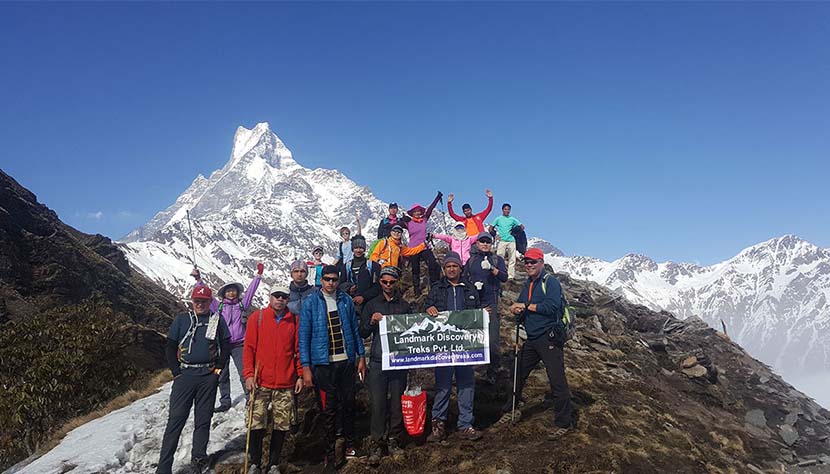
Our Mardi Himal Trek is designed for nature lovers who wish to experience the beauty of the Annapurna region in central Nepal, but away from the crowds. This Mardi Himal trek explores the slopes of the Mardi Himal (5,553m) that rises in front of the iconic and sacred Machhapuchhare (Fish Tail, 6,997m).
|
10 Days on Trail
|
4,500m Max Altitude
|
~41km Total Distance
|
Medium Difficulty
|
Here is what makes the mardi himal treks special compared to others in Nepal
Begin the trek with a short drive from Pokhara to Dhampus Phedi and trek shortly further to Deurali through Pothana to stay for the night. Head to the pleasant forest camp at Kokar the next day.
Mardi Himal Base Camp trail climbs past fast flowing streams through forests of dense bamboo, rhododendron and oak to ridge crests where small and hospitable farming communities work their terraced lands. These village people have not felt the impact of mass tourism and thus offer you the opportunity to experience their warmth, hospitality and customs; largely unchanged for generations.
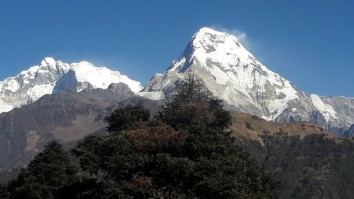
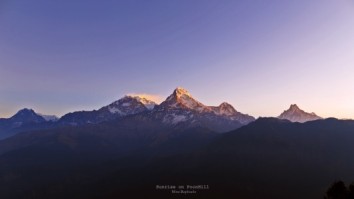
Gradually ascend the Low and High camps over the next couple of days and reach the West Camp on the third day. The Mardi Himal West Camp at 4,500m is the highest point of the trek. The scenery expands as the trail rises, offering panoramic views of the Himalayan giants from Dhaulagiri in the west, across the huge Annapurna group and Machhapuchhare to Manaslu in the east. Few locations can offer such a close encounter with the giants in such peaceful surroundings
The gentle descent over the next few days leads you back to Pokhara. The Mardi Himal Trek then comes to an end with a short scenic flight or a classic bus drive back to the capital, depending on your preference.
While Nepal’s best trekking months are in April-May and September-October, we offer this Mardi Himal trek throughout the year. Our circular route has been chosen to help you acclimatize fully before reaching the alpine regions above 3,500m; which makes this trek possible for anyone who is fairly fit and adventurous.
|
🌸Spring - March to May
During these periods, the weather remains stable and the mountain views are clear. Rhododendrons bloom along the trails. |
🍂Autumn - Late Sep to mid- Dec
Clear skies and stable weather which make it the most popular trekking season in Nepal. Highly recommended. |
|
🌧️Monsoon - Mid june to august
The weather can be unpredictable and the rain can make the trails slippery and perilous. |
❄️Winter - December to Feb
Trekking might not be suitable for everyone due to the harshly cold temperatures. However, the trek does provide some amazing views and extra snow. |
This 10 Days Mardi Himal Trek is a moderate difficulty tea house trek that takes you up to altitudes of 4,500m (Mardi Himal West Camp). You will be trekking over steep hills and semi mountainous terrain for most of the trek. While previous trekking experience is not a necessity, it will certainly make the trek easier. We recommended this trek for people with at least decent physical fitness and stamina. Altitude sickness is generally not an issue on this trek, however a rest day/acclimatization day before the main ascent might be a good idea.
NRS. 3000 ($30) per person
NRS. 1000 ($10) for organized trekkers
NRS. 2000 ($20) for independent trekkers.
Clothing
Footwear
Essentials
Documents
|
Annapurna Base Camp Trek
7, 9 and 12 days trek. Modorate View Details → |
Poon Hill Trek
A short 4-5 day trek. Easy View Details → |
|
Annapurna Circuit Trek
16/12days. Modorate View Details → |
Langtang Valley Trek
12days Modorate View Details → |
After completing passport, immigration and visa requirements, we will meet you outside the terminal building (look for your name board) and transfer you to your hotel: afternoon free. Evening: a welcome dinner, introduction to your guide and a briefing on the trek with a check on necessities. Overnight at hotel.
After breakfast, drive to Pokhara along the Prithvi Raimarg which offers fascinating glimpses of rural Nepal as you pass through Middle Hill scenery and along major rivers such as the Trisuli Nadi, which rises in Tibet north east of Kathmandu. The route passes through the lower Gorkha region (beneath Manaslu).
Transfer to your hotel. An afternoon City Tour includes: Devi’s waterfall and Shiva’s Cave. Enjoy an evening cruise on tranquil Lake Phewa before dinner. Overnight in Pokhara.
From your hotel the road winds up the Baglung Highway through farmland and forest to the bus terminus at Dhampus Phedi (1 130m). A broad trail leads up to Phedi and on to the large agricultural village of Dhampus (1 700m). Continue to Pothana (1 890m) for lunch before the climb to the bustling, Brahmin, hill-top village of Pitam Deurali.
From here Annapurna South and Hiunchuli dominate a panorama from Dhaulagiri I (8 167m, highest peak in western Nepal) across the Annapurnas to Manaslu (8 156m) on the right flank. It also offers scintillating views over the Pokhara Valley and Phewa Lake to the south. Overnight in Pitam Deurali.
Rhododendron trees thrive at altitudes from 2 000 to 4 800m (diminishing to shrubs as altitude rises; flowering in April-May.) Today and tomorrow’s trails pass through dense stands of mixed oak and rhododendron along the spine of the eastern ridge of the Modi Khola that drains the Annapurna Sanctuary and the Mardi Khola that drains the Mardi Himal. Bird and small animal life is abundant – but seldom seen. The trail can be rough and steep in places. Enjoy a picnic lunch en-route. The forest camp at Kokar is simple and rustic; the teahouse welcome will be warm. Overnight at Forest Camp.
>As the altitude increases, the forest changes to “cloud forest” with lower trees and an increase in lichens, mosses, tree ferns and orchids. Look out for Nepal’s national bird; the (male) Danphe pheasant et al. Lunch will be taken along the route.
This morning’s scenery will soon change from forest to open grassy slopes. Unobstructed views include Hiunchuli to the west and the upper reaches of the Annapurna Sanctuary trail as it heads towards the glacier. Machhapuchhare rises dramatically ahead, above Mardi Himal. The walk is not long, but the steep 1 000m rise in altitude should be tackled slowly to avoid altitude problems. Lunch will be taken along the route. There are now two large lodges at High camp. At altitudes from 3 500 to over 5 000m, the domesticated yak (female nak) can endure harsh conditions. It is kept as a pack animal and for its milk, soft dense under-fur, hides – and dung for fuel. The dzo is a yak-cow crossbreed that can live below 3 500m to approximately the upper limits of water buffalo and cattle. Yaks eat a third of cow’s requirements and the meat is low in fat. Overnight at High Camp.
After an early breakfast head, slowly, up the last 600m rise to the base camp. Mardi Himal (5,553m/18 220ft) is the southernmost peak of the Annapurna range; first climbed in 1961. (Mardi and Machhapuchhare are linked by a col (used to ascend Mardi). Machhapuchhare is sacred and has not been summated.
The best views on the trek are from a spot approximately two hours ahead. The upward trail then narrows (along a knife edge for a short while) before broadening and climbing to BC. Enjoy a picnic lunch at west BC or the view point.
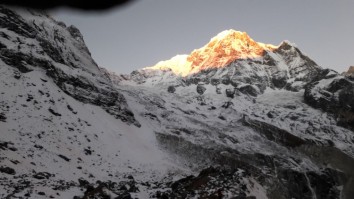
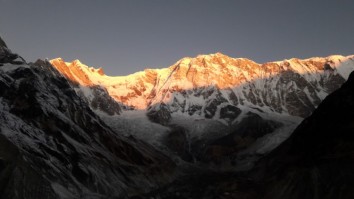
Full views from Annapurna south to Manaslu are possible in clear weather. This includes views into the sacred Annapurna Sanctuary, the ABC and Machhapuchhare BC hotels and the dramatic sweep of peaks that form the vertical 4,000m wall (Annapurna I - 8 091m) above the Annapurna South glacier. Return to Low Camp for the night.
Today’s trek is long but mainly downhill. Re-enter the cloud forest before Low Camp, and lunch. Follow the trail, then the left fork into the Mardi Khola Valley. Drop down through forest and later terraced rice paddies to the quiet Gurung-Brahmin village of Sidhing, set well above the river. Overnight at Sidhing.
The walk to Lumre, well above the Mardi Khola, is gentle, passing through several, terraced, agricultural villages fed by mountain streams. Rice, grain and vegetables are the main crops.
From Lumre we take the bus to Milanchok and on to Pokhara and your hotel. Pokhara’s Mountain Museum is well worth a visit. Overnight in Pokhara.
After an early breakfast, drive back to Kathmandu along the Prithvi Raimarg; or take the 25 minute flight from the local airport a few minutes’ drive from your hotel. Transfer to your hotel in Kathmandu. Rest of day free.
Transfer to Tribhuvan International Airport for your flight to your next destination.
If you have time, consider adding a trek to the Annapurna Sanctuary or a more leisurely trek to Poon Hill. The Mardi Himal trek can also be done can in a shorter time if you are really fit.

Both treks are considered beginner friendly treks. However, Annapurna Base Camp(ABC) trek is longer in higher altitude and has more trekking days. Mardi Himal Trek is shorter and less crowded, best for trekkers looking for a quieter Himalayan experience.
A very fast version is possible in 5days for experienced trekkers, but most of the people prefer an 8-day itinerary from Pokhara. Our 10-day itinerary provides more relaxed , better acclimatization and best trekking experience.
No, Mardi Himal trek is considered as one of the best beginner friendly treks in Nepal. Although the trail involves several up and down hills, most of the people can complete this trek.